
ION EXCHANGE RESINS
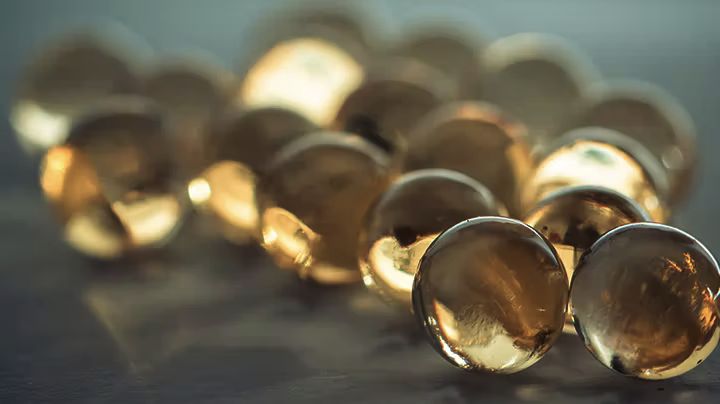
An ion exchange resin is an insoluble, porous, polymer-based material containing fixed ionic functional groups that can swap their mobile ions with oppositely charged ions in a surrounding solution without changing their own structure. These resins function as cation exchangers, exchanging positive ions (cations), or anion exchangers, exchanging negative ions (anions), enabling applications like water softening, demineralization, and chemical purification.
Applications
- WATER SOFTENING
- DEMINERALIZATION
- CATALISYS
- Food and Beverage
- Condensate Polishing
- Organics Removal
- Adsorption
Industrial water softening is the large-scale process of removing hardness-causing minerals—primarily calcium and magnesium ions—from water used in industrial applications. Hard water can lead to scale formation in boilers, cooling towers, heat exchangers, and pipelines, which reduces energy efficiency, increases maintenance costs, and shortens equipment lifespan.
The process typically employs ion exchange softeners, where hard water passes through a resin bed that exchanges calcium and magnesium ions with sodium or potassium ions. When the resin becomes saturated, it is regenerated using a concentrated salt solution (brine).
Demineralization is the removal of all cations (e.g. calcium, magnesium, sodium, potassium, Iron and other heavy metals) and all anions (e.g. bicarbonate alkalinity, chloride, sulfate, nitrate, silica and CO2) from a solution, typically water. The cations are replaced with H+ ions and the anions are replaced with OH- ions to form water. This reduces the total dissolved solids of the solution.
While ordinary commercial styrene-based sulfonic acid resins may often be used for chemical reactions catalyzed by the H+ or M+ ions, faster process times, better yields, and higher product purity may be obtained by using a properly designed and purified catalyst. Purolite catalyst resins are supplied either completely water-swollen, or dried to specification.
FILTRATION MEDIA
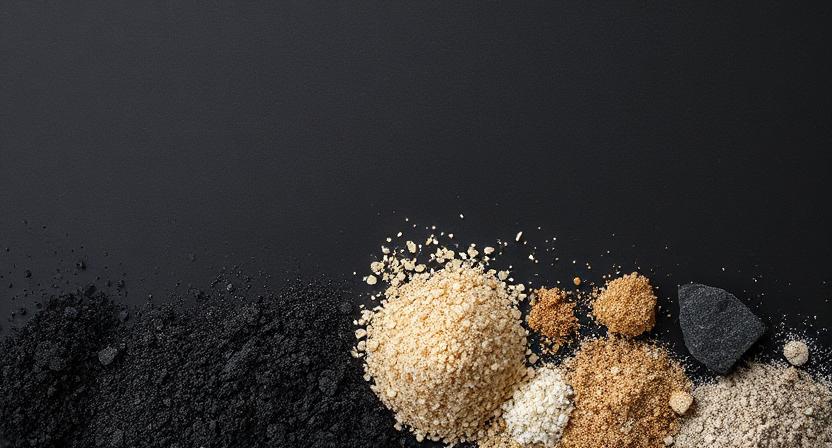
Filtration media are materials used within a filter system to remove impurities, contaminants, and unwanted particles from a fluid (like air or water) by trapping them as the fluid passes through the media. These materials, such as sand, activated carbon, or specialized fabrics, are chosen for their specific characteristics that enable them to retain particles based on size, density, or chemical properties, ultimately improving the quality of the filtered fluid.
REVERSE OSMOSIS
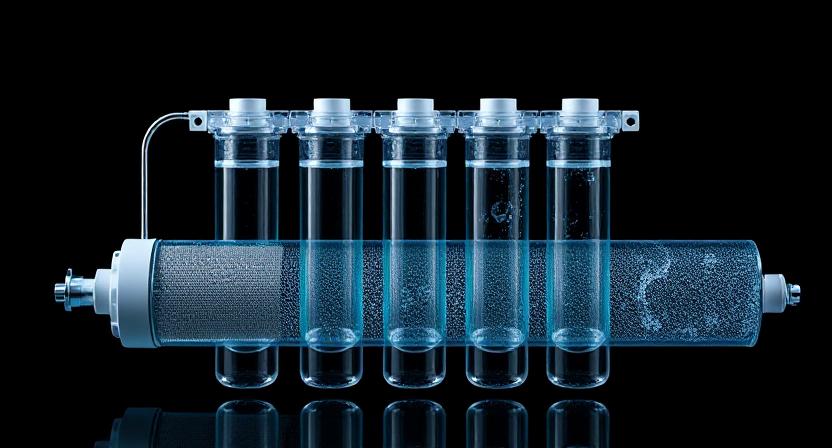
Reverse osmosis (RO) is a water purification and separation process that uses a semipermeable membrane to remove contaminants from a solution by applying pressure. The applied pressure forces water molecules through the membrane from a concentrated solution, leaving behind impurities like dissolved salts, bacteria, and other large particles. This process produces purified water on one side of the membrane while concentrating the removed contaminants on the other.
FINE CHEMICALS
GENERIC AND CUSTOM MADE CHEMICALS
Our Chemicals. Our Facilities. Your Advantage.
As a company with fully owned and operated manufacturing facilities, we specialize in the production of high-quality chemical substances, ensuring strict quality control, regulatory compliance, and supply chain reliability at every stage of the process.


By using this website you agree to our Privacy Policy.